


Part and inquiry stay in the page HTML
The part number, stock state, and inquiry are in the HTML. On a narrow screen a buyer can search, read stock, and send an inquiry without waiting for a script.
 Yuanxin
Shenzhen Yuanxin Computer Systems Co., Ltd. (Yuanxin) builds IC malls in the order a buyer searches, checks, orders, and follows up. Spot and futures stock can sit in separate warehouses. A bill of materials can be matched in one pass. Contracts, invoices, and shipments stay on the same order.
Inquiry
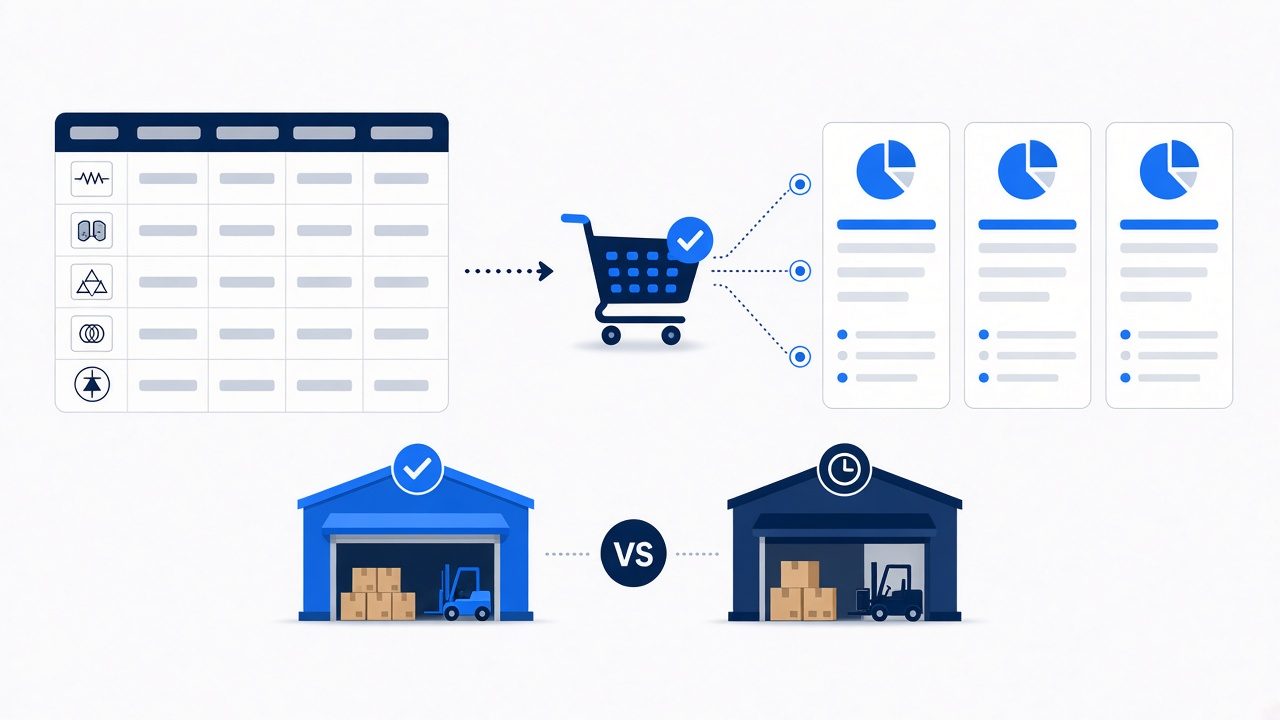
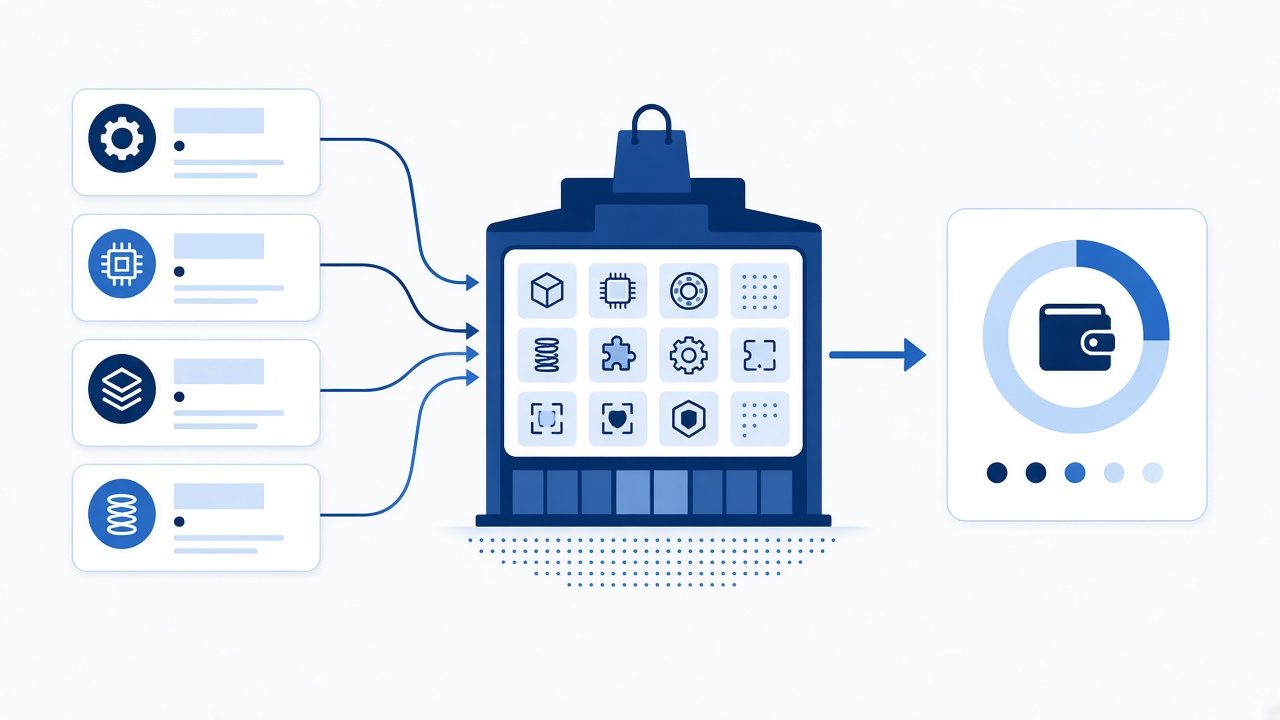
A buyer can search a part number or upload a bill of materials and match the lines together. Spot and futures quantities stay in separate warehouses, so in-transit stock is not shown as on hand. Cart lines can be exported as a requisition for internal approval.
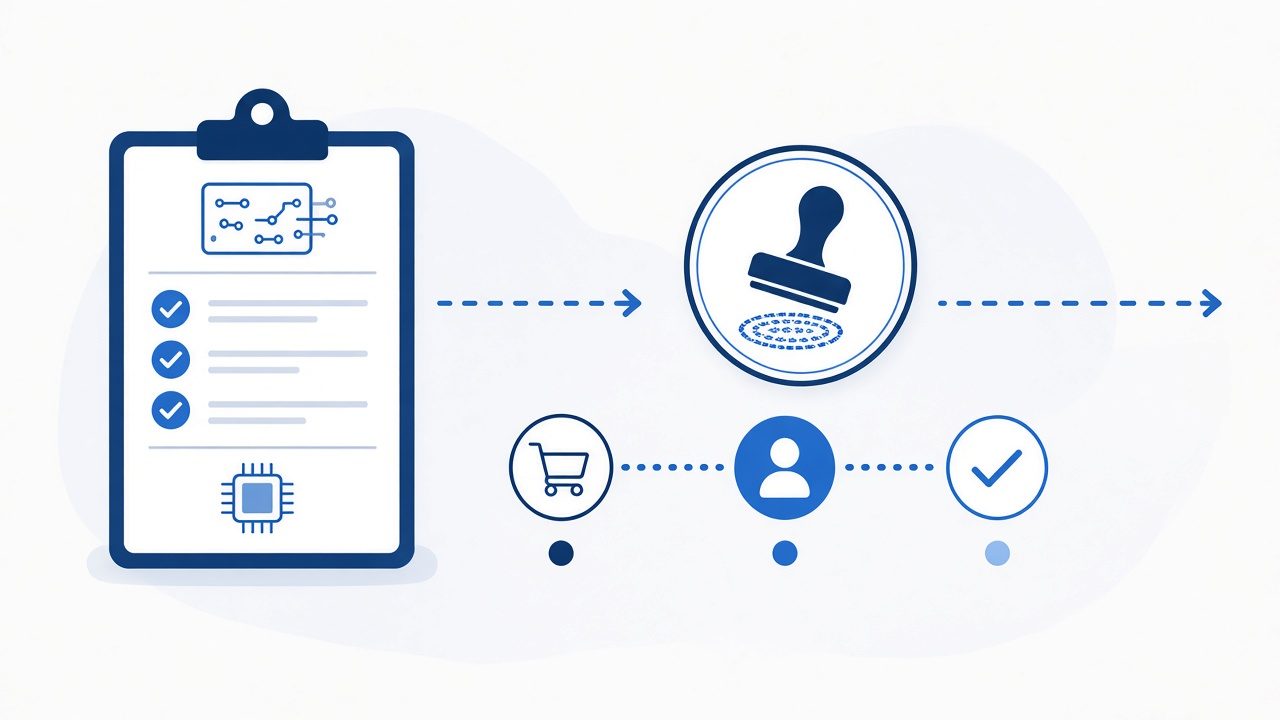
When part, quantity, and delivery are set, the mall drafts a contract for print or online confirmation. Cancellations, quantity changes, and split shipments remain on the order. Invoice requests can follow the order or be started earlier by support.
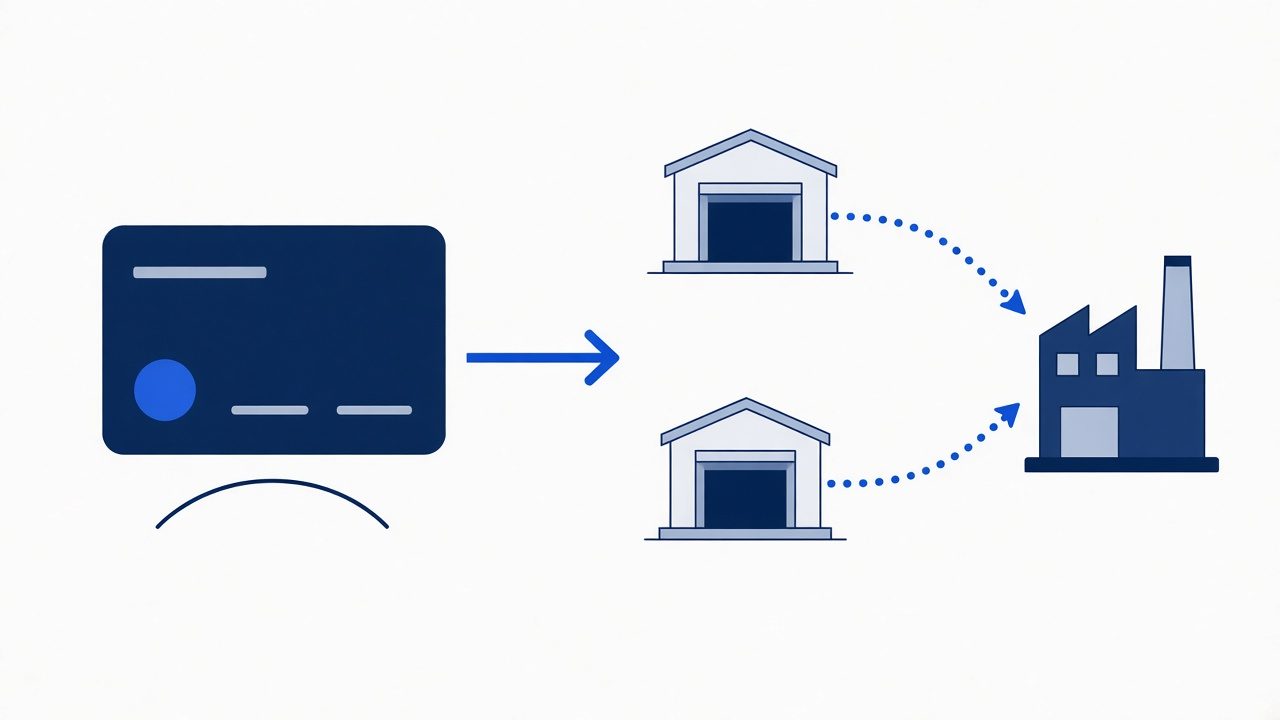
Checkout uses the channels the project actually connects, which can include WeChat, Alipay, UnionPay, bank transfer, cash on delivery, and an agreed aggregator. A channel that is not connected is not shown. Delivery can be pickup, shipment from more than one warehouse, or a tracked carrier, including split shipments.
A brand that joins keeps its own catalog, stock, and shipping desk, while buyers still see one mall. Distributors can replenish against that catalog. Monthly credit uses a limit set per customer. When the limit is used up, it is reviewed again.
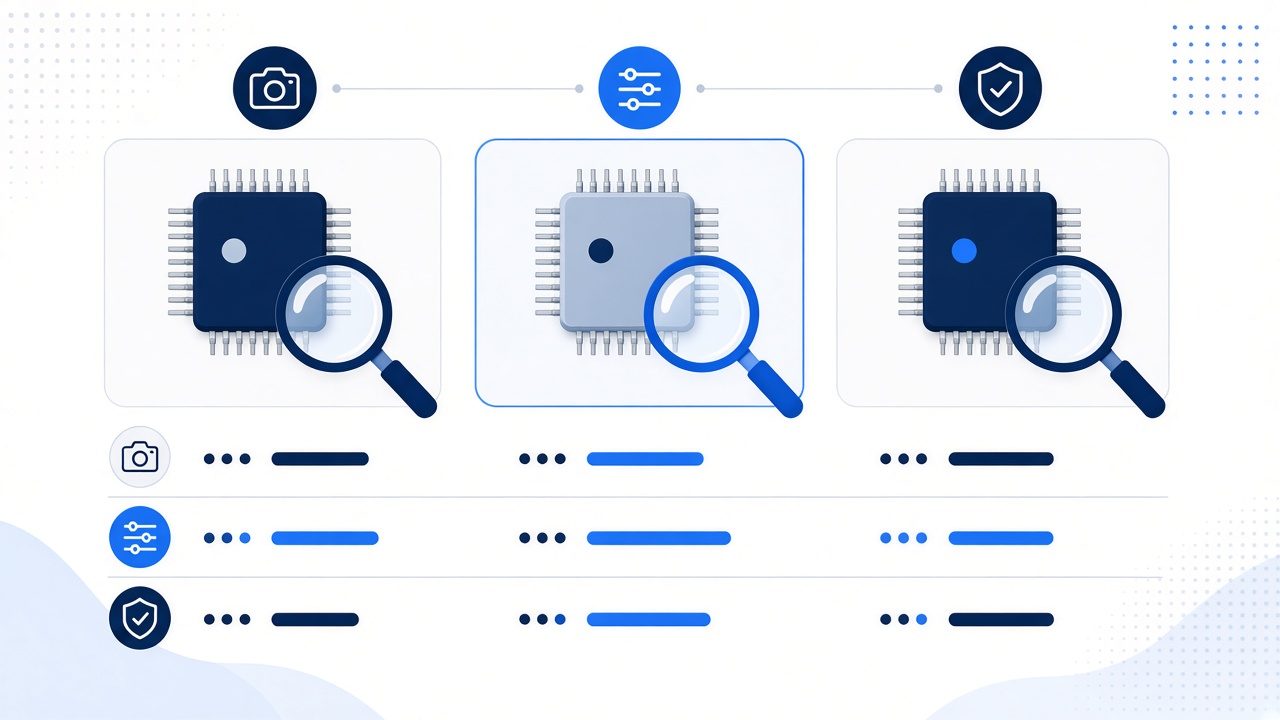
Similar parts can be compared by number, parameters, and brand. When a buyer has only a photo, image-assisted lookup helps check the package and the main parameters before returning to a part number for price and stock. The comparison can be exported for engineering review or payment approval.
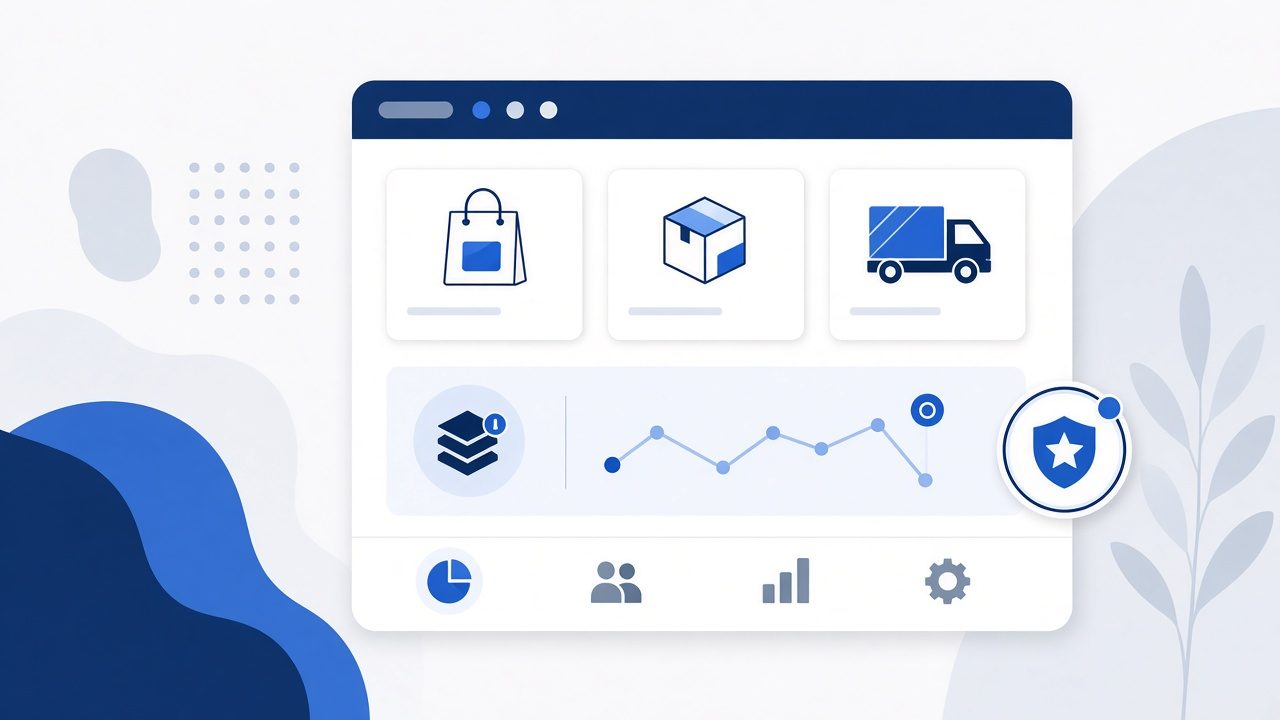
Staff can confirm payment, create a shipment, and record tracking, or push the order to the client’s own business system, or export orders for analysis. Catalog tools cover import, publish state, categories, and labels such as hot or new, plus a low-stock warning. Member levels, contract prices, and credit limits are maintained separately.
Design, frontend, backend, and maintenance each have a deliverable. BOM, orders, credit, and warehouses sit inside that work.
Design decides the order of the page: what the company sells, where the details sit, and how a buyer sends an inquiry.
Frontend work turns the agreed layout into pages. A visitor can read the heading and the text without waiting for an application framework.
The backend is the mall admin delivered to a client: catalog, warehouses, orders, contracts, invoices, credit, and shipping. Admins are named by the client.
Maintenance covers what still needs a person after launch: certificate renewal, backups, and small changes to pages that already exist.
Decide what is self-operated, what a brand lists itself, and how futures, inquiries, and monthly credit should move.
Search, bill of materials, comparison, cart, requisition, and contract share one navigation.
Catalog, stock, prices, orders, and invoices are for the admins the client names. Public pages show what a buyer needs.
Certificates, backups, catalog fields, and small edits are maintenance. Response time stays in the contract.
Search promotion here means making service pages and articles fetchable and understandable: titles, descriptions, canonical addresses, language links, internal links, and a sitemap.
Catalog data work turns part numbers, parameters, and document fields the client may publish into a table, then imports that table into the client’s own site. Upload is the second half of this service.
Buyers search a part number or leave an inquiry.
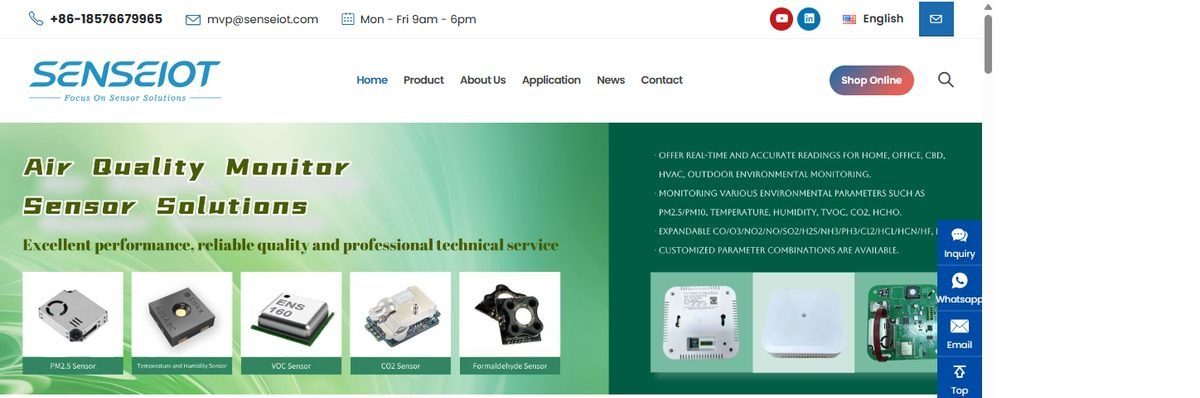
The site covers gas, CO₂, temperature, humidity, pressure, and image sensing. Pages are arranged as application scenarios plus specification pages. An engineer can move from a scenario to a part and its notes, then to an inquiry. The same site serves authorized distribution and solution selling.
Application matrixPart pagesMultiple languages
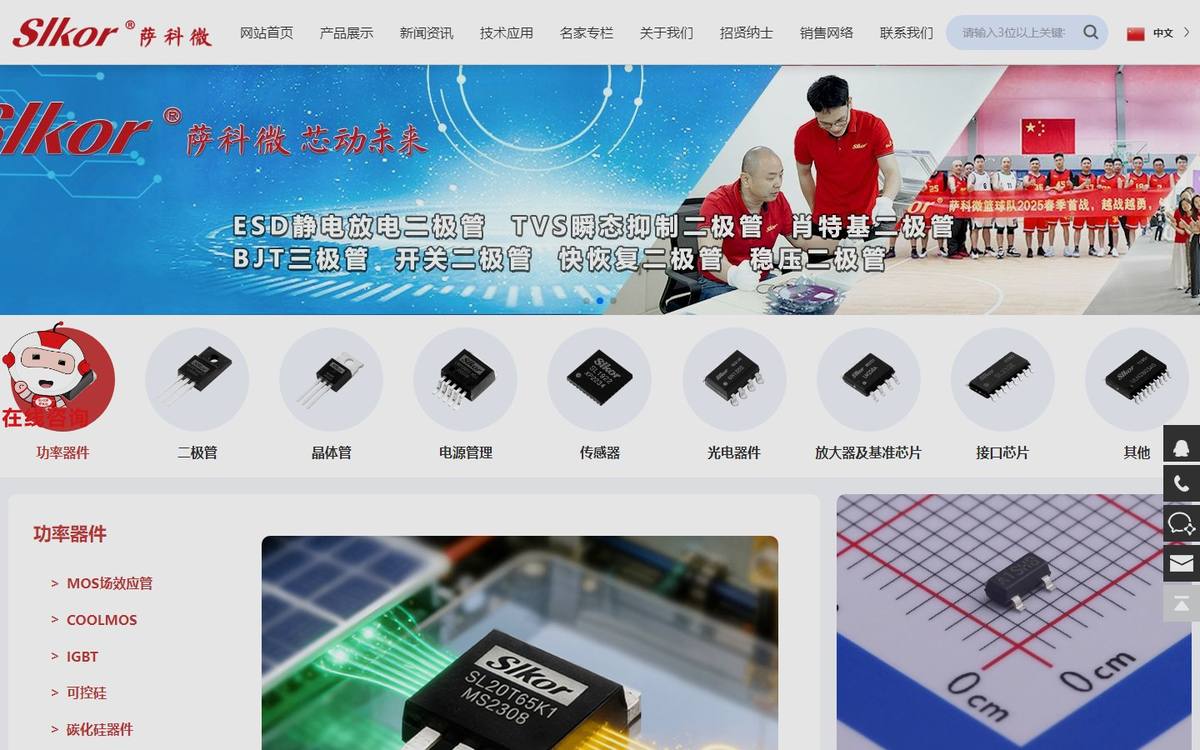
The catalog is organized around power devices, diodes, transistors, power management, and sensors, with category navigation, product pages, and application notes. Buyers can find a device family. The site also carries news, columns, and the sales network.
Category navigationTechnical notesChinese and English
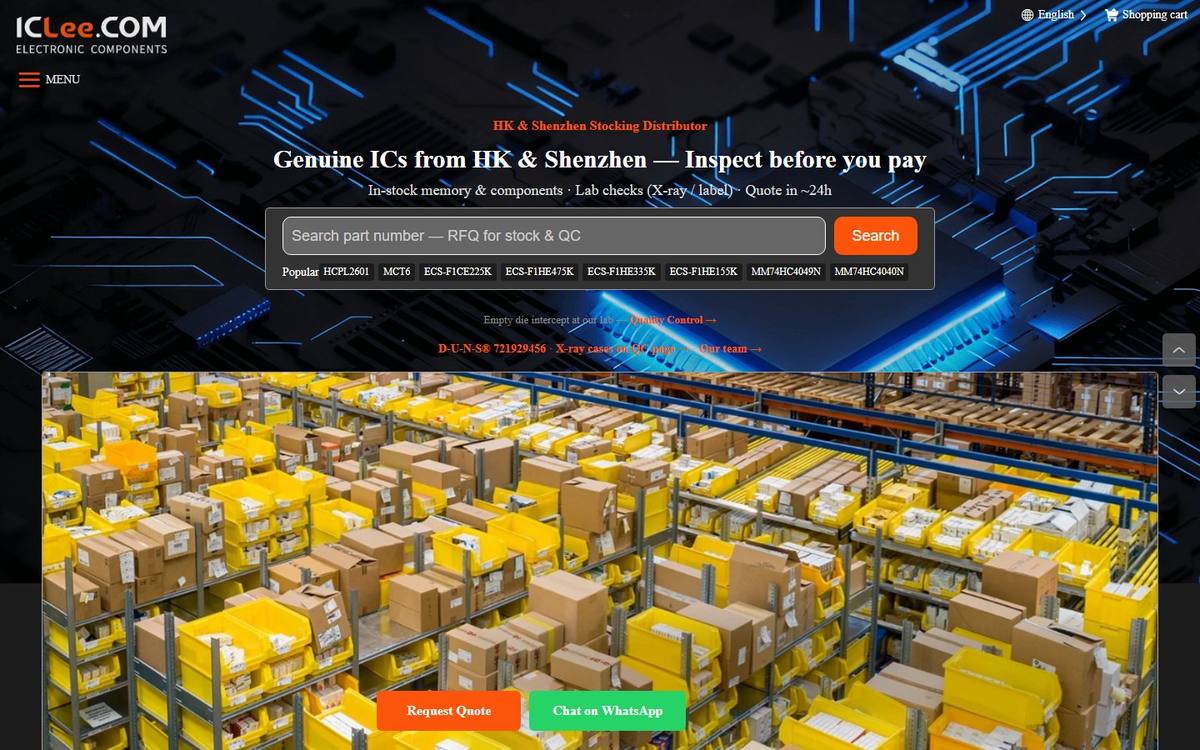
The site serves Hong Kong and Shenzhen spot stock and overseas purchasing. The path is part search, then the stock and inspection notes, then an inquiry. The public site highlights memory parts, a quote rhythm of about 24 hours, and lab inspection.
Part searchInquiryHong Kong and Shenzhen stock
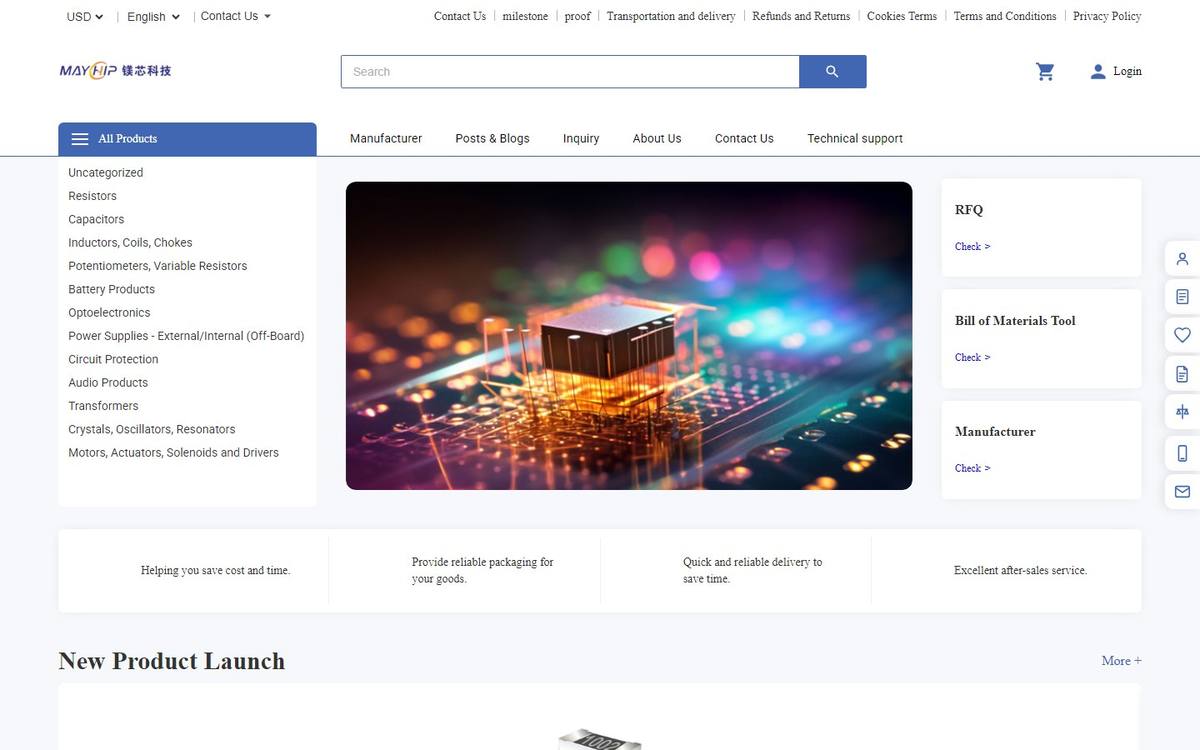
Built around resistors, capacitors, inductors, and related parts. Buyers browse the category tree or search a part number, then use the inquiry and bill-of-materials tools. The storefront shows prices in US dollars.
Category treeBill of materialsUS dollar prices
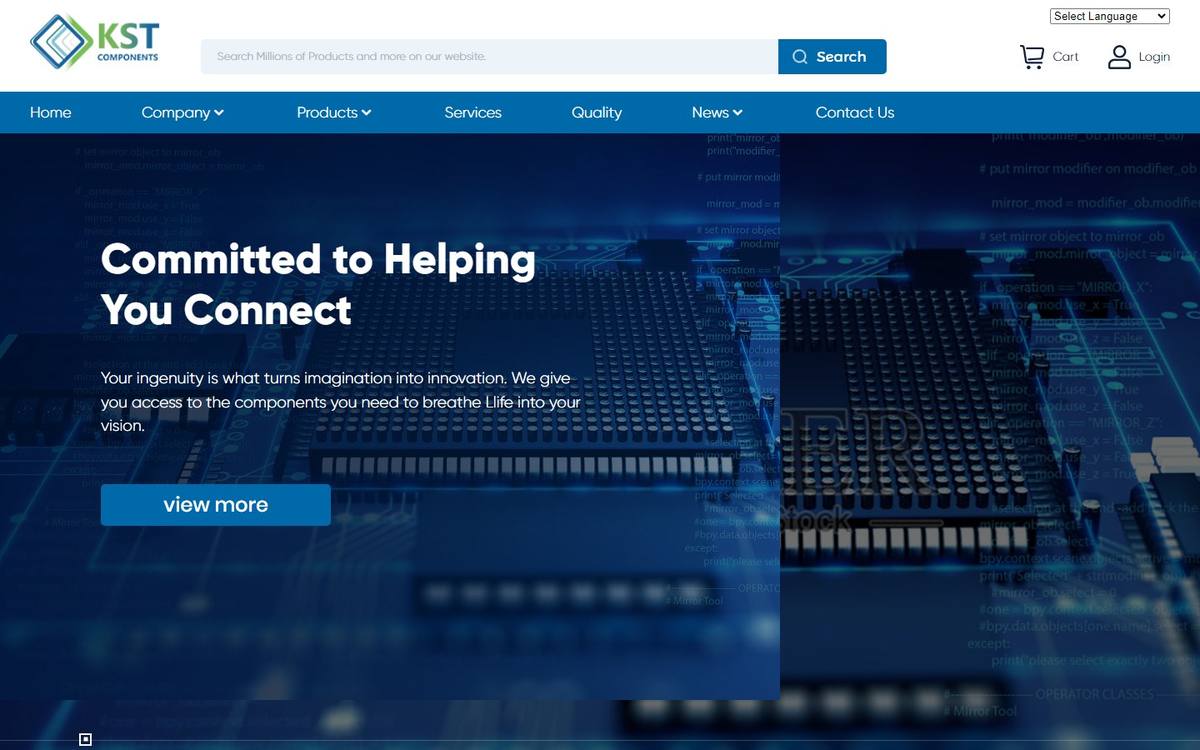
The site presents shortage sourcing, cost reduction, inspection, end-of-life handling, and PCBA. Search is the way international OEM and EMS buyers start an inquiry. The page order follows find, inspect, and deliver.
Shortage sourcingInspectionIndustrial and automotive
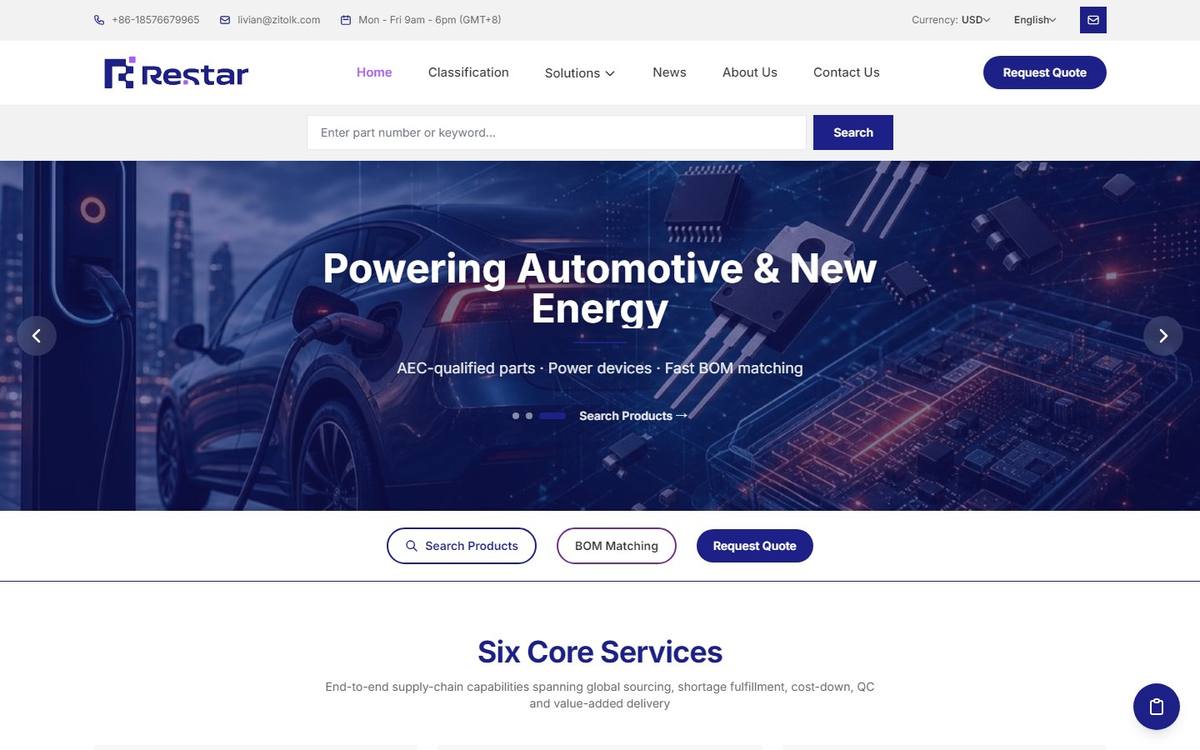
The site serves automotive and high-reliability distribution with part search, bill-of-materials matching, and inquiry. It describes global sourcing, shortage fulfillment, and inspection. The public site states about 500,000 parts and a 24-hour inquiry response.
Part searchBill matchingInquiry
Component brands, distributors, and platforms that want to take inquiries and orders themselves. A company with only a profile page can start with parts, stock, and inquiry, then add contracts, credit, and multiple warehouses.
Besides sections, members, products, and orders: BOM matching, brand storefronts, invoices, credit terms, online quotes, parameter and image-assisted comparison, order handoff, shipment tracking, split warehouses, split shipments, and statements. What is included is agreed in the project scope.
Work can be an independent deployment or a scoped custom build. Call +86 13826519287 or email zyx@dajiqun.com.
Catalog, customers, and orders can be deployed on the client’s own server, with accounts and backups kept by the client. If Yuanxin assists with backups, the place and the cycle are written in the contract.
We start from the buying scenarios and the catalog file you already have, then confirm scope and sign. Design, frontend, backend, integration, deployment, and training follow. Maintenance after acceptance follows that contract.
The part number, stock state, and inquiry are in the HTML. On a narrow screen a buyer can search, read stock, and send an inquiry without waiting for a script.
Monthly credit uses the limit and the term configured for that customer. Brand storefronts still share one mall. A used-up limit is reviewed again.
The contract is drafted when part, quantity, and delivery are set. Cancellation, quantity changes, split shipments, invoices, and shipping stay on that order.
Similar parts can be compared by number, parameters, and brand. A photo narrows the package. The buyer still confirms the part number before stock and price.
Catalog work imports part numbers, parameters, and warehouses the client may publish. Missing fields stay blank and are listed in the import report.
After a bill of materials is imported, spot and futures quantities stay in separate warehouses. Matched lines go to the cart or a requisition.
Leave a phone number and the requirement, or call the business line. Fees follow the project scope.